*Disclaimer: Please note that parts of this English sci-fly were automatically translated.*
Generally, adolescents do not eat very healthily. For example, it appears that few Dutch secondary school students consume the recommended amount of fruit and vegetables.
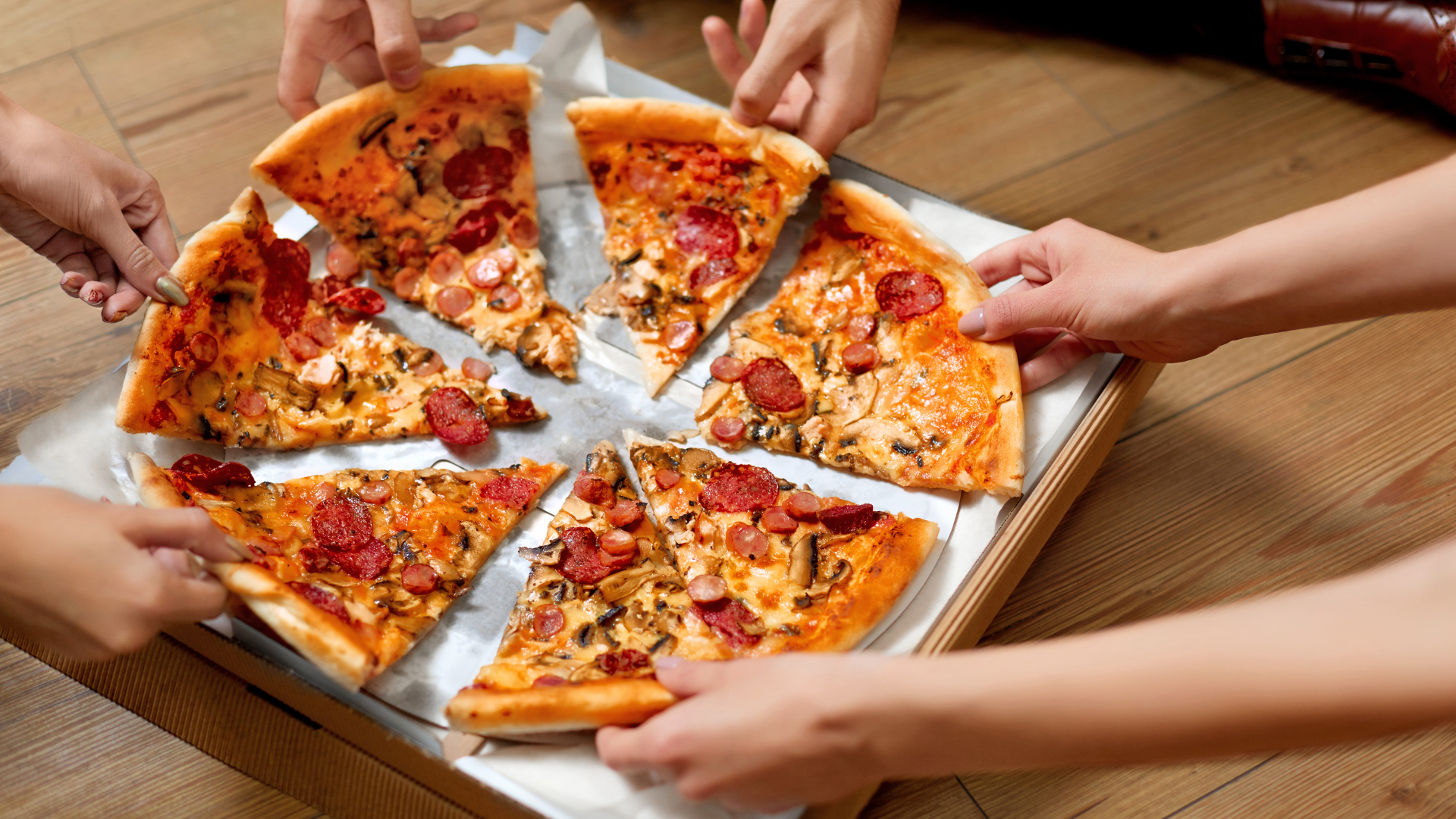
Given that an unhealthy diet can eventually lead to serious health problems (such as the development of obesity), many scholars are looking into the question of which factors influence the food intake of adolescents. The social environment appears to be one such important factor. For instance, there are indications that the food intake of adolescents corresponds to the food intake of important people in their environment. But does this also apply to their best friends? Dutch scientists (including RAD-bloggers Nina van den Broek, Junilla Larsen, and Jacqueline Vink) aimed to figure this out!
CORE
This study examined whether adolescent best friends show similarities in unhealthy and healthy food intake. Little to no similarities in food intake were found in this study. There was also limited evidence of processes that could lead to possible food intake similarities among best friends. No indications were found that adolescents adapt to their best friend’s food intake (“socialization”) or that adolescents initiate friendships with peers who already show similar food intake behaviors (“selection”). Finally, there was little evidence that adolescents with relatively higher Body Mass Index (BMI) scores are more susceptible to their best friend’s influence than adolescents with relatively lower BMI scores. In summary, these results indicate that for interventions aimed at promoting adolescent food intake, focusing only on classroom best friends may not be valuable.
RESEARCH METHOD
WHAT?
This study examined whether best friends show similarities in food intake. Additionally, it was tested whether these possible similarities were a result of “socialization” and/or “selection” processes. Finally, it was examined whether socialization effects were more pronounced for adolescents with relatively higher BMI scores.
WHO?
This study involved 145 Dutch best friend dyads (
N = 290 adolescents) who were in the first or second year of secondary school. Every dyad consisted of either two girls or two boys.
HOW?
Through questionnaires at the beginning and end of the school year, adolescents indicated who their best friend from their classroom was. Best friend dyads that considered each other as their best friend at both measurement points were called “enduring” friendships. Dyads that were friends only at the second measurement point were considered “new” friendships. Both adolescents in a dyad also completed questionnaires on the frequency of intake of healthy (fruits and vegetables) and unhealthy (sugar-sweetened beverages, savory snacks, sweet snacks) products at the two measurement points. Adolescents’ height and weight were also measured by the researchers to determine their BMI score. This score indicates whether adolescents’ weight is healthy relative to their height.
RESULTS
- Adolescents within best friend dyads showed little to no similarities in healthy and unhealthy food intake.
- Best friend dyads that were friends only at the second measurement point (“new” friendships) showed no similarities in food intake at the first measurement point. Thus, no indication of “selection” processes was found.
- Within best friend dyads that were friends at both measurement points (“enduring” friendships), there was little evidence of the influence of best friends on adolescents’ food intake from the first to the second measurement point. Thus, no indication of “socialization” processes was found.
- Furthermore, it was found that the influence of best friends on adolescents’ food intake did not differ between adolescents with relatively higher versus relatively lower BMI scores. Thus, no indication was found that adolescents with higher BMI-scores were more susceptible to their best friend’s influence than adolescents with relatively lower BMI-scores.
DETAILS
van den Broek, N., de la Haye, K., Veldhuis, L., Verhagen, M., Larsen, J. K., Vink, J. M., & Burk, W. J. (2022). Examining food intake similarities in adolescent best friend dyads using longitudinal Actor-Partner Interdependence Models.
Appetite, in press.
https://doi.org/10.1016/j.appet.2022.106072
This sci-fly was written by Nina van den Broek (Radboud University) for RAD-blog, the blog about smoking, alcohol, drugs, and diet.

Leave a Reply